
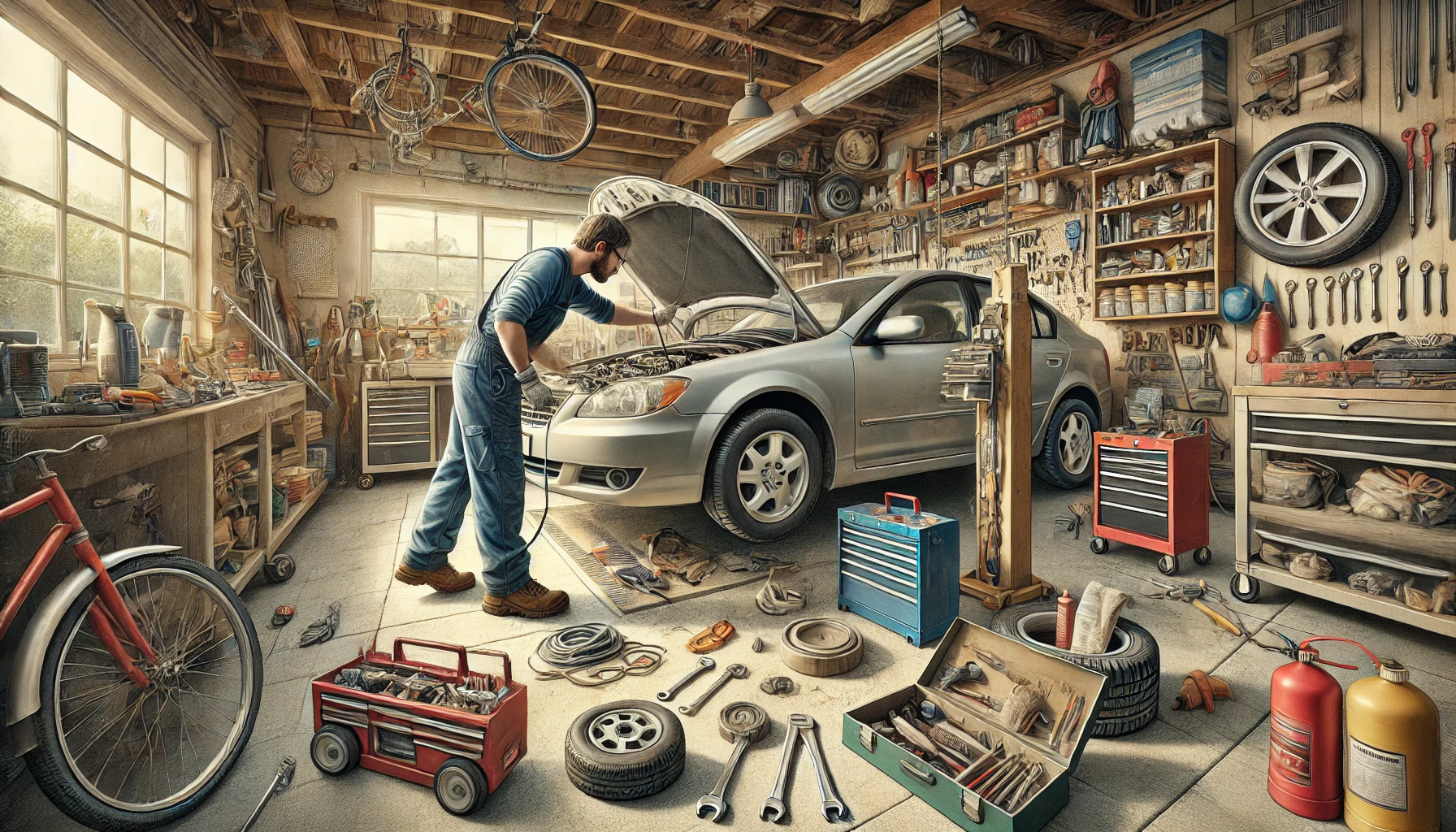
Basic Maintenance: Keeping Your Vehicle in Perfect Shape
Good car maintenance increases resale value, fuel economy, and safety in addition to improving the dependability of your car.
1: Frequent Oil Changes
Changing the oil is often among the most important maintenance chores. Engine oil helps dissipate heat, lessens friction, and lubricates your engine’s moving components. Dirt and trash can eventually contaminate oil, rendering it useless. Generally speaking, depending on the kind of oil used and driving circumstances, most manufacturers advise oil changes every 3,000 to 7,500 miles. Extensively prolonging the life of your engine depends on routine oil changes.
2. Inspect and Replace Filters
Your car has fuel, air, and oil filters, among other ones. Maintaining the engine’s efficiency depends on these filters in major part. While the air filter guarantees that clean air reaches the engine for combustion, the oil filter cleans the engine’s oil of pollutants. Reduced fuel economy and higher emissions can follow from a filthy air filter. Fuel filters stop contaminants from getting into the petrol tank. Maintaining best performance depends on routinely checking and replacing these filters in line with manufacturer recommendations.
3. Maintenance of Tires
Since your car makes only touch with the road, tires are the only thing that need upkeep for performance and safety. Check tire pressure often; underinflated tires can cause poor fuel economy and more tire wear. Check the tread depth also to guarantee enough grip. While wheel alignment should be addressed should you see unequal tire wear or if your vehicle pulls to one side, rotating your tires every 5,000 to 8,000 miles helps assure even wear.
4. Check Brake System
Your safety depends on brakes; thus, you should give keeping them first importance. Review your brake pads, rotors, and fluid levels often. You should have your brakes checked right away if you experience mushy brake pedals or if you hear squeaking or grinding noises when braking. Regular brake inspections guarantee that your car stops properly and help you avoid costly repairs.
5: Battery Maintenance
Although a car battery usually runs three to five years, driving style and high temperatures might shorten its lifetime. Check the connections often for corrosion to help you preserve your battery and make sure the terminals are clean. Older than three year batteries should be examined to avoid unplanned failures, especially in colder months.
6. Fluid Levels
Apart from oil, your car runs on various other fluids as well. Check and top off coolant, transmission, brake, power steering, and windshield washer fluid on a regular basis. The performance and safety of your car depend much on each fluid. Coolant, for instance, helps control engine temperature; brake fluid is absolutely essential for good braking.
7. Wipers and Lights
Safe driving depends on visibility; hence, routinely check all exterior lights, including turn signals, taillights, and headlights. Quickly replace any burned-out bulbs. Look at your windshield wipers also for wear and tear. Time for a replacement if they leave streaks or miss locations. Safe driving under demanding conditions depends on maintaining good vision during rain or snow.
8. Frequent Inspections
At last, take into account arranging frequent visits with a reliable mechanic. Expert inspections can find any flaws before they become main concerns. Seasonal check-ups provided by many mechanics can help your car be ready for variations in the temperature.
In Summary
Regular vehicle maintenance guarantees not only attractive appearance but also safe and effective operation of your car. Following these basic maintenance guidelines will help your car run better, last longer, and eventually help lower repair costs. Recall that a well-kept car is a dependable vehicle that will let you drive with assurance wherever the road leads.